If you’re feeling stuck in relationship patterns, emotional overwhelm, or disconnection — whether as a couple or individually — counselling can help you slow things down, understand what’s happening, and begin creating change.
Gottman Institute–informed couples counselling and individual support for people within relationships.
Relationship counselling provides a calm, structured space for couples who are struggling with communication, conflict, emotional distance, or trust issues.
You don't have to be struggling in your relationship to benefit from counselling. It can also be a wonderful opportunity for couples to strengthen their connection, understand each other more deeply and nurture an already important relationship.
Together we focus on understanding the patterns between you, improving communication, and rebuilding emotional connection.
“Connection grows where people feel heard, safe, and understood.”
Couples often come to counselling when things feel stuck, painful, or disconnected — even if they still care deeply about each other.
Curious about the relationship counselling process? Find out what to expect →
If some of these feel familiar, it can be helpful to talk things through in a calm, supportive space. Many couples are surprised by how quickly small shifts in communication can change the tone of a relationship.
You don’t need to wait until things feel worse — counselling can simply be a space to understand each other more clearly.
If you’d like support with this, you’re welcome to get in touch.

Even strong relationships can go through difficult seasons. Stress, parenting, work pressures, communication struggles, unmet needs, conflict, emotional distance, and life transitions can all place strain on a partnership.
Counselling can support couples who are wanting to strengthen their relationship, repair after difficulty, or navigate important changes together.
Often, couples are not struggling because they don’t care — but because they are caught in patterns that no longer feel helpful or safe.
Therapy can help you recognise those patterns, understand each other more deeply, and learn ways of relating that feel calmer, clearer, and more supportive.
The goal is not perfection. It is about creating more awareness, emotional safety, and a stronger foundation for the relationship you want to build.
Healthy relationships aren’t conflict-free — we’re all individuals, and at times we won’t agree. What matters is how we navigate those moments, how we handle conflict, how we deal with emotions, whether we're able to listen and respond, and how we repair and reconnect afterwards. For many of us, these are skills we were never really taught — but they can be learned.

My work is guided by training with The Gottman Institute, EFT - Emotionally Focussed Therapy, alongside mindfulness and other therapeutic approaches. Sessions are structured yet flexible, helping you understand patterns, improve communication, and build stronger emotional connection.
“Trust is built in very small moments, which I call 'sliding door' moments. In any interaction, there is a possibility of connecting with your partner or turning away from your partner. One such moment is not important, but if you're always choosing to turn away, then trust erodes in a relationship - very gradually, very slowly.” ― John Gottman
As part of relationship counselling, I use The Gottman Institute Method — a research-based approach to couples therapy that helps improve communication, rebuild trust, and strengthen emotional connection. It focuses on building friendship, managing conflict, and creating shared meaning within the relationship.
As part of my relationship counselling process, I use a structured relationship assessment informed by The Gottman Institute. It gives each partner an opportunity to reflect on different aspects of their relationship, including friendship and connection, communication, conflict, emotional connection, shared values and goals, and areas of strength.
The assessment is completed individually, allowing each person to share their perspective and experiences. There are no right or wrong answers, and it is not about deciding who is right or wrong. Instead, it provides a clearer picture of how each person is experiencing the relationship.
I review your responses before our follow-up sessions so that we can identify patterns, areas that may need attention, and the strengths you can build on together. This helps me tailor our sessions to your particular relationship rather than taking a one-size-fits-all approach.
The assessment is a starting point for our work together — a way of slowing down, understanding what is happening beneath the surface, and identifying where positive change may be possible.
Relationship counselling works best when both people are willing to take part in the process. It’s not a quick fix, but something that unfolds over time, with many people finding benefit in 5–10 sessions and ongoing support as needed.
Many couples seek relationship counselling after an affair. While the relationship will change, recovery is possible with time, honesty, and support. This process involves rebuilding trust, understanding what has happened, and creating a new foundation for the relationship moving forward.
I have supported many couples through this process, so you are not alone. It is a common reason people reach out for help.
Sometimes, despite best efforts, a relationship may not be able to continue. If not, therapy can still offer a supportive space to find clarity, communicate with care, and move forward with compassion — for yourself and each other.

Contra-indications for Couples Counselling
Couples counselling is not appropriate where there is any form of abuse, including emotional, verbal, physical, financial, or sexual abuse.
It is also not appropriate where an affair - emotional or physical is ongoing.
In these situations, individual counselling is recommended.
The process is supportive, and tailored to your needs. I will coach you in new skill sets, help you identify patterns that work, and those that need strengthening. I'll also provide you with handouts and suggested videos to watch after the session.
Give me a call to arrange an appointment. There are contra-indications for Relationship Counselling for couples - if there is an ongoing physical or emotional affair, or domestic violence. You can still have an appointment but as an individual.
I will email you my practice and payment information, as well as a link to an intake form for each of you to fill out. I'll also send a handout - About Relationship Counselling.
Payment is due when booking the session. The relationship assessment is a separate fee, and includes the assessment process and my review of your responses.
Our first session is a couples session together. We’ll talk about what’s been happening in your relationship, what has brought you to counselling, and what you would like to change.
If you decide to continue, my usual process includes two individual sessions — one with each partner — followed by a further couples session.
Before your individual sessions, I’ll send you a Gottman-informed relationship assessment to complete separately. This helps me understand both perspectives, recognise your relationship strengths and identify areas that may benefit from attention, so I can tailor our sessions to you.
Between sessions, I provide practical exercises, handouts or suggested resources to help you practise and reflect on what we have been working on together.
Sessions are shaped around your relationship goals, communication needs, and shared understanding. I tailor your sessions with feedback from your assessment, which helps pinpoint areas that may need strengthening, as well as areas where you already have strong couple strengths.
The initial three sessions provide an opportunity to understand your relationship, identify key patterns and establish the skills we will work on together. Relationship counselling is not a quick fix, and meaningful change takes time and practice.
Regular sessions give you time to practise new skills, work through challenges and build on the changes you are making together. As you become more confident using these skills independently, sessions may become less frequent or move to occasional follow-up support.
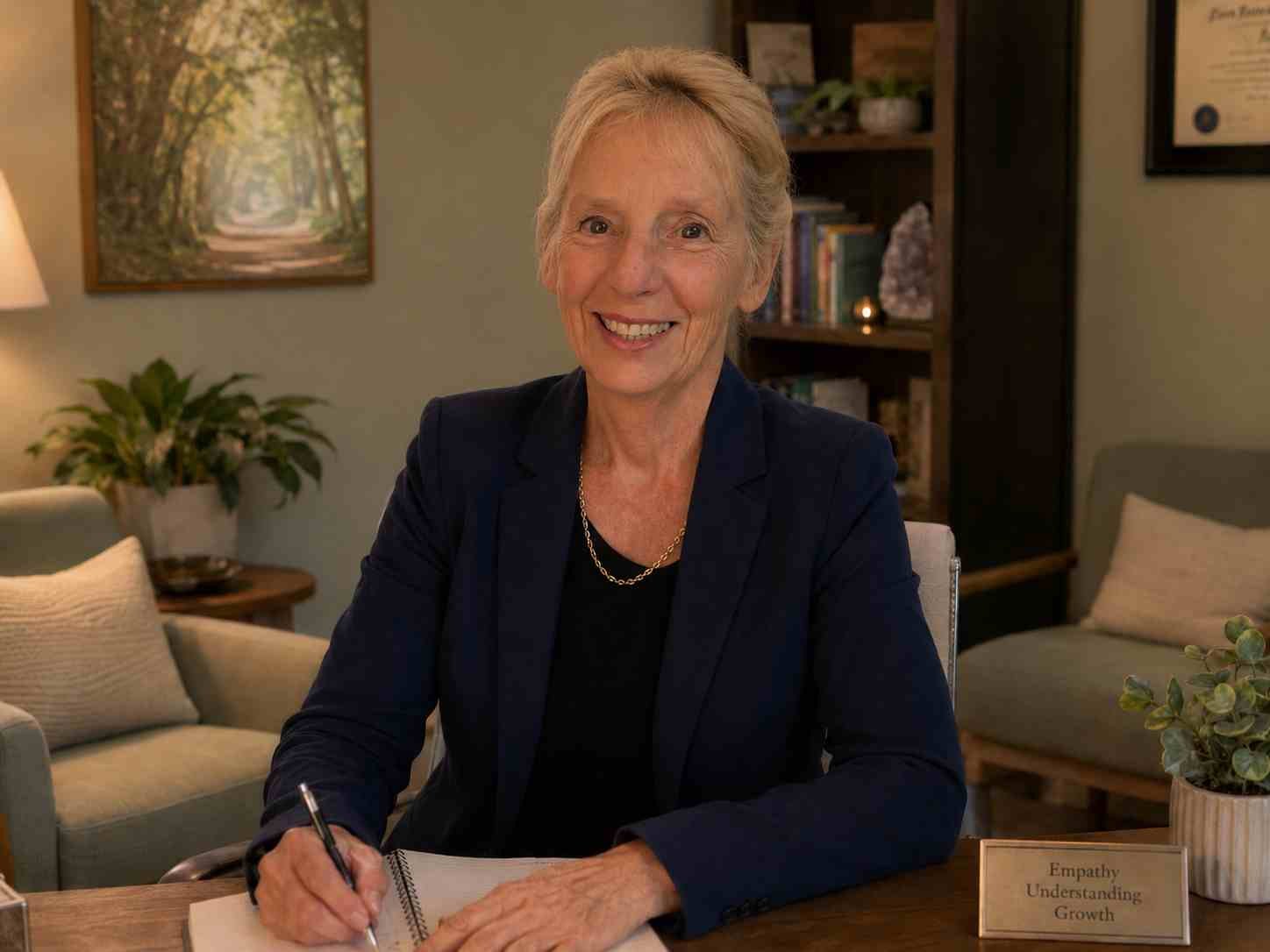
Hi, I’m Kareen Fellows, a degree-qualified counsellor, specialising in relationship counselling and couples therapy. I’m passionate about helping people feel more grounded, understood, and connected — both to themselves and to each other.
My approach is warm, thoughtful, and collaborative. I aim to create a safe, supportive space where individuals and couples can slow down, reflect, and explore what’s been happening in their relationships without judgment or pressure.
I have a special interest in relationships and have supported many couples in building more fulfilling, respectful, and loving connections. While many relationships can be strengthened, I also support clients in navigating separation when that is the healthiest path forward.
My work is informed by training through The Gottman Institute, Relational Life Therapy, Emotional Freedom Technique (EFT), and Mindfulness which I integrate to support emotional regulation, communication, and deeper connection.
You can learn more about my therapy background → here.
Reaching out for support can feel like a big step, especially when things have been difficult for a while. You don’t need to have everything worked out before making contact.
Whether you are coming as a couple or individually, counselling offers a space to slow things down, understand what’s happening, and begin moving forward in a more supported way.
Contact Kareen: 0408 792 747
You’re welcome to call if you’d like to talk through what’s going on and see if counselling feels like a good fit.
Online sessions are available across Australia, so you can access support from the comfort and privacy of your own home.