"Helping adults recognise, understand, and communicate emotions."
"Helping adults understand, express, and respond to emotions with greater clarity, calm, and connection."
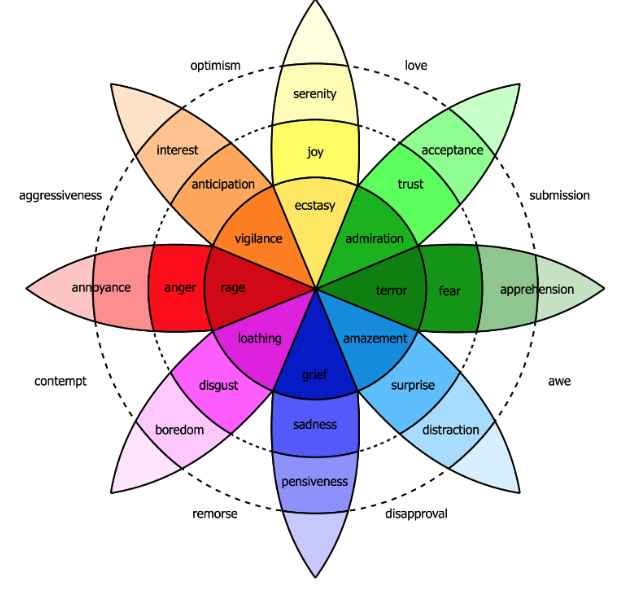
Emotion coaching is the practice of noticing, understanding, and responding to emotions in a supportive and constructive way. Rather than dismissing, avoiding, or escalating emotional experiences, it encourages curiosity, validation, and thoughtful guidance.
At its core, emotion coaching is not about “fixing” feelings—it’s about connecting through them.
Instead of reacting automatically — shutting down, escalating, or becoming overwhelmed — you begin to recognise what you are feeling and why.
Many people grew up in environments where emotions were dismissed or misunderstood.
As adults, this can show up as:
• difficulty identifying feelings
• emotional overwhelm
• shutting down or withdrawing
• reactivity or defensiveness
• avoiding emotional conversations
• relationship conflict
• communication struggles
• emotional reactivity
• anxiety and overwhelm
• feeling disconnected
• difficulty expressing needs
• repeating unhealthy patterns
Why It Matters for Adults
As adults, we often fall into patterns like:
These patterns can create distance in relationships and internal stress. Emotion coaching helps shift these habits toward deeper connection, clarity, and emotional regulation.

The Five Steps of Emotion Coaching
1. Notice the Emotion
Tune into emotional cues—both in yourself and others. This might be a change in tone, body language, or internal sensations. Awareness is the first step toward meaningful response.
2. See Emotion as an Opportunity for Connection
Instead of viewing emotions as inconvenient or overwhelming, see them as moments to connect, learn, and build trust.
3. Listen with Empathy and Validate
Validation doesn’t mean agreement—it means acknowledging that the emotion makes sense given the person’s experience.
Examples:
4. Help Label the Emotion
Putting feelings into words can reduce their intensity and increase understanding.
Examples:
“It sounds like you’re feeling overwhelmed and maybe a bit anxious?”
“Are you feeling disappointed?”
5. Support Problem-Solving (When Ready)
Once emotions are acknowledged and validated, it becomes easier to explore next steps. Ask:
“What would feel helpful right now?”
“Do you want to think through some options together?”
Applying Emotion Coaching to Yourself
Emotion coaching isn’t just for interactions with others—it’s also a powerful self-regulation tool.
Try this:
This builds emotional resilience and reduces impulsive responses.
Common Pitfalls to Avoid
Jumping straight to solutions: People need to feel heard before they can think clearly.
Invalidating responses: Phrases like “You’re overreacting” shut down connection.
Avoidance: Ignoring emotions doesn’t make them disappear—it often intensifies them.

The Outcome: Stronger, More Connected Relationships
Emotion coaching fosters:
Learning emotional awareness as an adult can feel unfamiliar, but it is absolutely possible.
Counselling provides a space to explore patterns, build emotional insight, and develop practical tools for change.
This work can improve communication, reduce conflict, and strengthen connection in relationships.

l Home l Emotion Coaching - Adults l Parenting Support l Relationship Counselling l
Emotion Coaching support - help for you to better understand emotions, and respond in ways that support connection, confidence, and regulation.
Give me a call to arrange an appointment. If you are feeling concerned about your child’s emotional wellbeing, behaviour, or regulation, support can help.
The first session is about gathering background information. We’ll talk about what is happening for you, and the patterns you are noticing, and identify goals for yourself.
We'll start learning about emotions, what they are there for and how we can better understand them, and express them. I'll coach you with skills to use.

Hi, I’m Kareen Fellows, a degree-qualified counsellor passionate about helping individuals, couples, and families navigate emotional stress, disconnection, and life’s more difficult seasons.
My approach is warm, thoughtful, and collaborative. I aim to create a space where people feel safe, supported, and gently guided toward deeper understanding and practical change.
I have a strong interest in emotional wellbeing, relationships, and helping people better understand the emotional needs beneath behaviour.
I draw on my formal training from The Gottman Institute, Relational Life Therapy, and Emotional Freedom Technique, along with practical relationship insight and experience. For more information on my therapy background - click here.
If you’re ready to take the next step, I’d be glad to hear from you.
Phone: 0408 792 747
Location: Online Sessions Available
Send an Email